
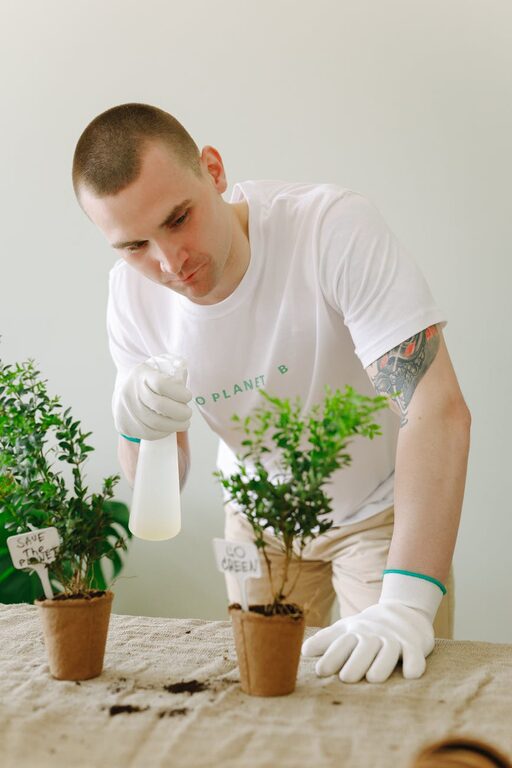
Bringing houseplants into your home adds not only beauty but also a touch of nature that can boost your mood and improve air quality. However, keeping these green companions healthy requires a bit of knowledge and care. Whether you are a seasoned plant enthusiast or just starting out, these tips will help your houseplants thrive.
Understanding Your Plant's Needs
Every houseplant species has its own preferences when it comes to light, water, and soil. Understanding these needs is the first step to successful plant care.
Light Requirements
– Low Light Plants: These plants, such as snake plants and pothos, comfortably grow in spots with indirect or limited natural light.
– Bright, Indirect Light: Many tropical plants prefer bright but filtered sunlight, avoiding direct harsh rays.
– Direct Sunlight Lovers: Succulents and cacti thrive on several hours of direct sunlight daily.
Make sure you place your plants accordingly. Rotating them occasionally ensures even growth and prevents one side from becoming weaker.
Watering Wisely
One of the most common mistakes is overwatering or underwatering. Here’s how to water effectively:
– Check the Soil: Stick your finger about an inch into the soil. If it feels dry, it’s time to water.
– Drainage: Always use pots with drainage holes to avoid water buildup, which can cause root rot.
– Water Amount: Water thoroughly until it drains out of the bottom. This encourages roots to grow deeper.
– Frequency: Most houseplants prefer watering every 1-2 weeks, but this varies by plant and season.
Soil and Fertilizing Basics
Healthy soil makes healthy plants.
Choosing the Right Soil
– Use high-quality potting soil suitable for indoor plants.
– For succulents and cacti, opt for a well-draining mix containing sand or perlite.
– Avoid garden soil as it may harbor pests or diseases.
Fertilizing Tips
– Fertilize houseplants during the growing season (spring and summer).
– Use a balanced, water-soluble fertilizer according to package instructions.
– Avoid over-fertilizing, which can harm roots and foliage.
Maintaining Proper Humidity and Temperature
Houseplants generally enjoy the same moderate conditions that humans find comfortable, but some have specific preferences.
– Keep temperature between 65°F and 75°F (18°C to 24°C).
– Avoid placing plants near heating vents, radiators, or cold drafts.
– Increase humidity by misting leaves or using a humidity tray, especially in dry winter months.
– Grouping plants together can also create a micro-environment with higher humidity.
Regular Cleaning and Grooming
Dust and dead leaves can hinder a plant’s ability to photosynthesize. Try these tips:
– Wipe large leaves with a damp cloth to remove dust.
– Prune yellowing or dead leaves to maintain appearance and improve air circulation.
– Check for pests regularly; common indoor pests include spider mites, aphids, and mealybugs.
Repotting When Needed
Houseplants eventually outgrow their pots, requiring repotting.
– Signs include roots growing out of drainage holes or slowed growth.
– Choose a pot one size larger than the current one.
– Repot in fresh soil to provide nutrients.
– Handle roots gently to avoid damage.
Troubleshooting Common Problems
Here are a few common issues and how to address them:
– Wilting: Often caused by over or under-watering.
– Yellow Leaves: May indicate overwatering or nutrient deficiency.
– Brown Leaf Tips: Could be due to low humidity or salt buildup from fertilizer.
– Pest Infestation: Treat with natural insecticidal soap or neem oil.
Creating a Routine
Consistency is key to healthy houseplants.
– Set weekly reminders to check soil moisture and plant health.
– Keep a journal noting watering, fertilizing, and growth observations.
– Adjust care routines seasonally based on plant responses.
Final Thoughts
Taking care of houseplants is a rewarding hobby that enhances your living space and connects you with nature. With these simple, effective tips, you can ensure your houseplants remain healthy, lush, and a source of joy.
Happy planting!